
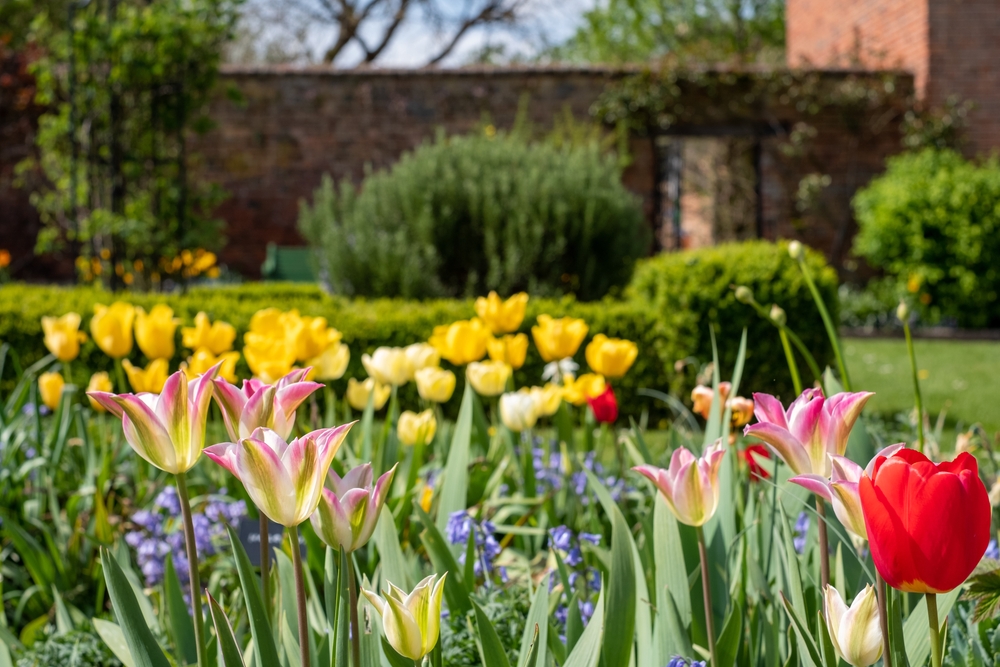
The perfect time to make impactful changes to your outdoor space
Cultivating a sustainable garden is a responsible and rewarding way to care for our environment. With the arrival of spring, a season of renewal, it’s the perfect time to make impactful changes to your outdoor space. These small steps can help combat climate change while promoting biodiversity in your own garden.
A sustainable garden operates in harmony with nature, minimises waste, conserves water, and serves as a sanctuary for local wildlife. Whether you’re starting from scratch or enhancing an existing plot, here are some practical tips to make your garden more eco-friendly this spring.
Choose native plants and start spring planting
Spring is the perfect time to plant native species that flourish in your local environment. Plants like bluebells, cowslips, and daisies are not only visually striking but also beneficial for local ecosystems. Opt for plants that draw in early pollinators such as crocus and lungwort, ensuring food sources for bees and butterflies as they emerge from hibernation.
Spring bulbs and perennials are a great investment for a sustainable garden. Daffodils, snowdrops, and tulips brighten your borders while requiring minimal maintenance. Native plants naturally adapt to the local climate and soil, needing less water and care compared to exotic varieties.
Prepare your soil and start composting
Spring is a time to rejuvenate soil, creating a nutrient-rich foundation for growth. Begin with a soil test to determine its pH and nutrient levels. Avoid synthetic fertilisers and use homemade organic compost instead. This is the perfect time of year to start a compost bin if you don’t already have one. Kitchen scraps like vegetable peels and eggshells, combined with garden waste such as grass clippings, can be transformed into what gardeners fondly call “black gold.”
If you prefer minimal disturbance, consider no-dig gardening, a technique ideal for spring planting. Simply place organic matter, such as compost or manure, directly on the soil’s surface without turning it. This method maintains soil structure, promotes healthy microorganisms, and minimises carbon loss.
Welcome early wildlife and create shelters
Spring brings new life to the garden, making it a vital time to support wildlife. Create habitats for beneficial creatures, such as solitary bees, by installing bee hotels or leaving patches of bare soil for ground-nesting species. Early bloomers like hellebores and winter heather are abundant in nectar and provide essential resources for emerging pollinators.
In addition to planting, consider adding nesting boxes for birds. Many species begin preparing their nests as early as March. A small pond or even a dish of water left in your garden can also act as a vital resource for frogs, toads, and other creatures awakening from winter hibernation.
Minimise waste and utilise upcycled materials
Spring often inspires a fresh start, so why not repurpose materials while enhancing your garden? Transform old wooden pallets into vertical planters for herbs or create garden borders using reclaimed bricks. Upcycling materials not only reduces waste but also adds character to your garden design.
When purchasing new items, opt for sustainable choices. Biodegradable pots made from coconut coir or bamboo serve as excellent replacements for plastic ones, while reusable wooden plant labels provide a great alternative to disposable tags.
Conserve water with smart irrigation
Spring showers may alleviate the strain on your water supply, but preparing for drier months is essential for sustainability. Installing a rainwater harvesting system now will ensure you’re ready for summer. Rainwater butts can gather hundreds of litres of water, offering a free and eco-friendly resource for your gardening needs.
Drip irrigation systems are also worth considering. They deliver water directly to the plant roots, minimising evaporation and waste while ensuring your plants remain well-hydrated throughout the growing season.
Plan for biodiversity and year-round appeal
Designing your spring garden with diverse plantings ensures a healthy, vibrant space that evolves throughout the seasons. Incorporate a variety of shrubs, wildflowers, and early vegetables such as peas and lettuce. This diversity attracts a broader range of beneficial insects and animals, enriching your garden’s biodiversity.
Mulching is another essential task this season. Apply natural mulch, such as bark or straw, around your plants to conserve moisture and suppress weeds. As it decomposes, it will also nourish the soil, preparing it for the bounty of summer.
Make gradual changes and grow your impact
Sustainable gardening isn’t about achieving perfection overnight. Begin small, perhaps by introducing native flowers or committing to chemical-free pest control. Spring provides the momentum of nature’s renewal, offering the perfect opportunity to develop lasting habits.
Are you ready to find and apply for the right mortgage with our guidance?
Whether you want to take that first step or plan your next move, your search starts here. If you’d like further information, please contact Fitch & Fitch – telephone 020 7859 4098 – email info@fitchandfitch.co.uk.