
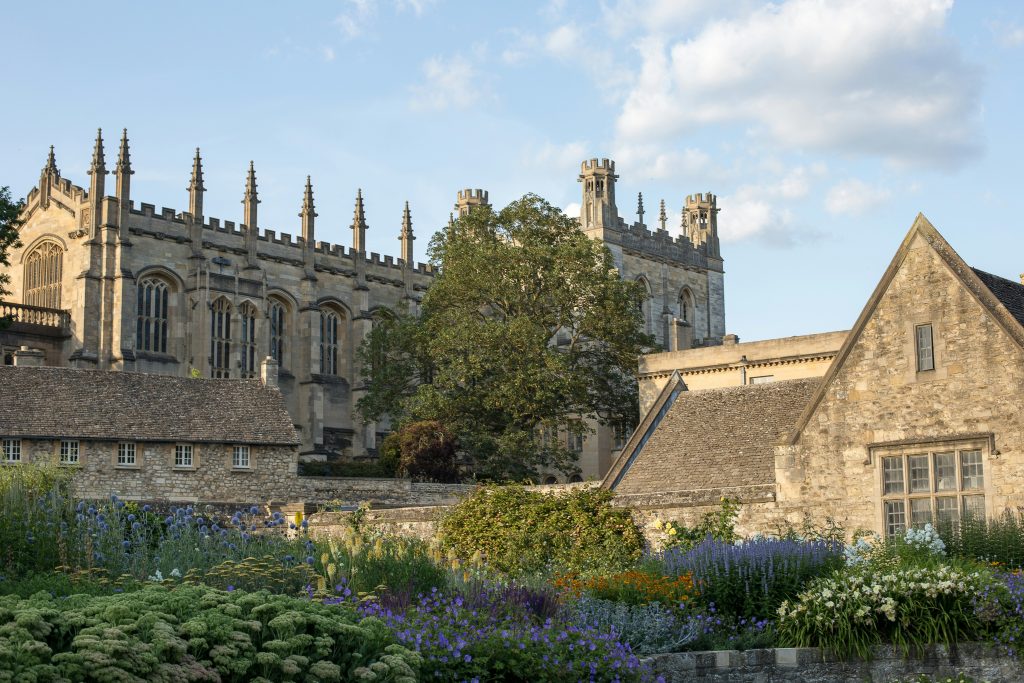
Oxford is one of the most recognisable cities in the world: home to one of the oldest universities in Europe, a major NHS teaching hospital complex, a growing technology and science sector, and a city centre of considerable architectural and cultural distinction. It is also one of the higher-cost property markets outside London, with affordability often a significant consideration for buyers. Whether you are relocating for work, moving to be closer to family, or making a longer-term lifestyle decision, this guide covers the practical information you need to understand Oxford as a place to live and what buying a home here actually involves.
Oxford at a Glance
Train to London Paddington: Direct services, journey times vary by service and timetable
Oxford Tube: 24-hour coach service to central London, operating year-round
Typical first-time buyer price: Around £406,000 (ONS, February 2026, provisional)
Areas often suited to families: Summertown, Headington, Marston, Wolvercote
Areas often suited to commuters: City centre and Jericho (near Oxford station), Botley (A34/A420 access)
Key new developments: Barton Park, Canalside Quarter (Osney Mead)
Location and Transport
Oxford sits in the upper Thames Valley in Oxfordshire, approximately 60 miles north-west of London. It is well connected to the capital and to the wider region by both road and rail, though the city itself is known for limited parking and heavy traffic in peak hours. Many residents cycle or use the bus network rather than drive within the city.
Rail
Oxford station offers direct services to London Paddington. Journey times vary by service and timetable, with faster services taking under an hour. Chiltern Railways also runs services to London Marylebone via the Chiltern Main Line. For commuters, a rail season ticket to London is a significant cost that should be factored into any relocation budget.
Other nearby stations include Didcot Parkway (good Paddington connections), Bicester Village (London Marylebone via Chiltern), and Oxford Parkway (Marylebone). These stations may be relevant depending on where in or around Oxford a buyer chooses to live.
Coach
The Oxford Tube is a 24-hour express coach service between Oxford and central London (Marble Arch, Notting Hill Gate, Shepherd’s Bush). It runs year-round and is a popular alternative to rail for those living near the route. Services run frequently throughout the day and at reduced frequency overnight. The X90 also provides coach links to London.
Road
Oxford has no motorway, but the A40 provides eastward road access towards London, the A34 runs north-south linking the M40 (junction 9) to the south, and the A420 connects westward to Swindon and the M4. Traffic congestion within the city is significant, particularly on approach roads and at key junctions. The city operates several Park and Ride sites on the main approach roads.
Cycling
Oxford has a strong cycling culture. The city is largely flat, compact enough to cross in 20 minutes by bike, and has a substantial network of cycle paths and lanes. Many residents commute, shop, and travel within the city by bicycle. This is a meaningful factor for relocators: proximity to a cycle path or the ability to cycle to work can affect both daily quality of life and, for some buyers, area choice.
The Property Market
Oxford is one of the higher-cost property markets outside London. ONS data shows the average house price for mortgage buyers in Oxford was around £468,000 in February 2026 (provisional), with first-time buyers paying around £406,000 over the same period. Oxford’s house prices remain high relative to local earnings, which means affordability can be more challenging than in many regional markets.
The market ranges from studios and one-bedroom flats from around £280,000 in more accessible areas, to substantial detached homes in North Oxford and Boars Hill exceeding £1,500,000. Many first-time buyer purchases in Oxford exceed the £300,000 stamp duty nil-rate threshold, meaning some buyers should expect SDLT to form part of their upfront budget. For worked examples, see our Oxford stamp duty guide.
New build development is limited by Oxford’s Green Belt, flood plain constraints, and planning restrictions, which means supply has historically lagged demand. New development is concentrated in a small number of locations including Barton Park and the Canalside Quarter at Osney Mead.
For a detailed guide to each area, including typical price ranges, see our Oxford area guide.
Areas and Neighbourhoods: A Quick Overview
Oxford has a wide variety of residential areas. Here is a brief summary to help you orientate.
Summertown — established higher-value residential area north of the city centre. Independent shops, established school provision, leafy streets. Prices typically from around £550,000.
Jericho — historic neighbourhood immediately north-west of the city centre. Victorian terraces, independent Walton Street, close to the University science area. Conservation area. From around £500,000.
North Oxford — substantial Victorian and Edwardian villas along the Banbury and Woodstock Road corridors. Strong University connection. Many listed buildings and conservation area properties. Premium end of the market from around £700,000.
Headington — east of the city centre, home to the John Radcliffe and Churchill hospitals and Oxford Brookes University. Mix of housing types. Good A40 road access. Popular with NHS and Brookes staff. From around £400,000.
East Oxford and the Cowley Road — one of Oxford’s more varied and characterful areas. Victorian and Edwardian terraces, independent shops and restaurants on the Cowley Road, diverse community. From around £350,000.
Cowley, Blackbird Leys, and Rose Hill — south-east Oxford, offering some of the city’s more accessible price points. Post-war housing estates. Mini plant at Cowley. From around £280,000.
Marston and Old Marston — north-east of the city centre, bordered by the Cherwell and University Parks. Old Marston has a genuine village identity. From around £450,000.
Wolvercote — village to the north with access to Port Meadow and the Thames. Popular with academics and families. From around £500,000.
Botley — west of the city centre, good A34 and A420 road access. Practical for road commuters. From around £380,000.
Barton Park — new residential development north-east of the city, primarily by Crest Nicholson. Modern energy-efficient homes. From around £350,000.
Boars Hill — Green Belt village south-west of Oxford with large detached properties and views across the city. Premium market from around £800,000.
For a full breakdown with typical price ranges, see our Oxford best area guide.
Schools and Education
Oxford has a range of schools at both primary and secondary level. The city does not have selective grammar schools, but there are comprehensive secondary schools across the city including the Cherwell School, Oxford Spires Academy, and several Church of England and Catholic schools.
At primary level, many families look at current Ofsted reports, admissions criteria and catchment information before making a decision. School provision varies across the city, and catchment boundaries can change. It is important to check the current position directly with schools and through Ofsted’s published reports, and to verify catchment boundaries with the school and Oxford City Council before making a decision based on school access.
Oxford is home to two major universities. The University of Oxford is one of the world’s leading research universities, with colleges spread across the city centre. Oxford Brookes University, based primarily in Headington, has around 15,000 students. Together they are a significant driver of housing demand and employment.
Lifestyle, Culture, and Things to Do
Oxford offers a cultural offering that is significant for a city of its size. The Ashmolean Museum, the Pitt Rivers Museum, the Museum of Natural History, and the Bodleian Library are all free to visit and internationally significant. The Oxford Playhouse and New Theatre stage professional productions. The Covered Market, the Westgate shopping centre, and the network of independent shops along Cowley Road, Walton Street, and Little Clarendon Street offer a range of retail and food options.
Green space is accessible throughout the city. Port Meadow, a large area of common land to the north-west, is accessible from Wolvercote and Jericho. University Parks provides a formal park setting in the north of the city. The Thames Path and the Cherwell run through the city and offer walking and cycling routes. The Chilterns, the Cotswolds, and the North Wessex Downs are all within an hour by road.
Oxford has an active local sports scene, including football, rugby, cricket, swimming and leisure facilities across the city. Hinksey Park provides open-air and indoor swimming, and there are leisure centres in several areas.
Employment and the Local Economy
Oxford’s economy is anchored by a relatively small number of large employers. The University of Oxford and its associated colleges, institutes, and spin-out companies are the single largest employer. Oxford University Hospitals NHS Foundation Trust — operating the John Radcliffe, Churchill, Nuffield Orthopaedic Centre, and Horton General hospitals — is one of the largest NHS trusts in the country by activity. Oxford Brookes University is a further major employer.
Beyond the University and NHS, Oxford has a growing technology and science cluster. Oxford Science Park in south Oxford, Harwell Campus in south Oxfordshire, and Milton Park near Abingdon together support a significant life sciences, technology, and research sector. Begbroke Science Park in north Oxford is a University spin-out hub. The BMW Mini production facility at the Cowley plant is a major manufacturing employer.
Oxford City Council and Oxfordshire County Council are also significant public sector employers. Tourism, retail, and hospitality employ large numbers, though at lower salary levels.
For those who work remotely or commute to London, Oxford offers a high quality of life and strong connectivity, albeit at a significant property price premium. Many relocators from London cite this combination of access, culture, and green space as a key reason for moving.
Cost of Living
Oxford is expensive relative to most UK cities. Property is the dominant cost, and it is well above the national average. ONS data shows average private rents in Oxford at £1,952 per month in March 2026 (ONS Price Index of Private Rents, March 2026) — high by regional standards.
Day-to-day costs will vary by household, lifestyle and commuting pattern. The main additional costs for London commuters are the rail season ticket (a significant sum for annual travel to Paddington) or the Oxford Tube pass, which should be factored into any financial comparison with London living costs.
Parking costs are high within the city. Many residents reduce car dependency by cycling or using the bus network, which can reduce ongoing transport costs meaningfully.
Regeneration and Development
Oxford’s development pipeline is constrained by planning and environmental factors, but several significant projects are underway or planned. Barton Park, in the north-east of the city, is one of the largest housing developments in Oxford’s recent history and is intended to deliver a significant number of new homes over its development timeline, subject to delivery and market conditions. The Canalside Quarter at Osney Mead is a waterfront mixed-use development on the Thames south-west of the city centre.
The Oxpens and Westgate areas of the city centre are subject to long-term regeneration proposals. Oxford Station Quarter is a planned development around the station area. The full delivery of these projects is subject to planning approvals, funding, and commercial conditions, so timelines can change.
Moving to Oxford: Getting a Mortgage
If you are moving to Oxford from another part of the country, the mortgage process works the same as any purchase — but there are a few things that relocators often need to think about.
Selling and buying simultaneously. If you are selling a property elsewhere, the timing of the chain can be a significant factor. Some buyers use bridging finance to secure a property before their sale completes, though this comes with additional cost and risk. For more on bridging finance, see our guide.
Affordability. If your income is changing as part of the relocation — for example, moving to a new employer or a different sector — some lenders require you to have been in your new role for a minimum period before they will lend. Others are more flexible, particularly for NHS, academic, or contracted roles. A broker can help you navigate this.
Oxford-specific property considerations. Listed buildings, conservation area properties, and short leasehold flats can face lender restrictions that standard properties do not. In Oxford, where listed and conservation area properties are common in Jericho, North Oxford, and Old Marston, it is worth checking lender criteria before you offer. Leasehold flats in Oxford also vary in lease length and service charge structure, which can affect mortgage availability.
First-time buyers. Oxford offers price points that work for some first-time buyers, particularly in Cowley, East Oxford, and Botley, though the £300,000 stamp duty nil-rate threshold means many first-time buyer purchases will attract SDLT. For more on what you can borrow, see our guide.
Stamp duty. The stamp duty you pay depends on your circumstances — whether you are a first-time buyer, a home mover, or buying an additional property. For worked examples at Oxford price points, see our Oxford SDLT examples.
Frequently Asked Questions
Is Oxford a good place to live?
Oxford offers a combination of cultural richness, green space, strong employment, and good transport links. Whether it is right for you depends on your priorities and, importantly, your budget. Property costs are high relative to income, and this is a significant constraint for many buyers. For those who can afford to buy, the city offers a high quality of life.
What is the nicest area of Oxford?
This depends on what you are looking for. Summertown is one of the more sought-after areas for families, with established school provision and independent amenities. Jericho has distinctive character. Headington is practical for NHS and Brookes staff. East Oxford and the Cowley Road area have a diverse, independent feel. For a full area breakdown, see our detailed Oxford area guide.
Is Oxford safe?
Crime levels vary by area, as in any city. Buyers should review neighbourhood-level data from Thames Valley Police and visit the area at different times of day before making a decision.
How long is the commute from Oxford to London?
Train journey times from Oxford station to London Paddington vary by service and timetable. The Oxford Tube coach runs 24 hours and offers a different price-and-time trade-off to rail. By road, the A40 connects to London, though drive times vary significantly with traffic, particularly during peak hours.
Is Oxford cheaper than London?
Generally, Oxford property prices are lower than many prime and central London markets, although Oxford remains expensive by national and regional standards. ONS data shows the average Oxford mortgage buyer price around £468,000 in February 2026. Rents at £1,952 per month on average (ONS, March 2026) are high by regional standards. Day-to-day costs will vary by household, lifestyle and commuting pattern. The main additional cost for London commuters is the rail season ticket or coach pass.
What are the pros and cons of living in Oxford?
Pros include cultural richness, strong employment in academic, NHS, and science sectors, excellent green space, good London transport links, a compact and walkable city, and a diverse community. Cons include high property prices relative to income, road congestion and limited parking, the cost of rail commuting, and some areas of the city experiencing significant demand pressure on services. The balance depends on your circumstances and what you are comparing it to.
What are the best areas in Oxford for families?
Summertown, Headington, Marston, and Wolvercote are frequently considered by families, often partly because of school provision and access to green space. School catchment boundaries and Ofsted ratings can change, so always check the current position before making a decision based on school access.
Next Steps
If you are moving to Oxford, the practical next step is to confirm affordability and timing before you offer on a property. We can sense-check your position and outline the documentation needed to proceed.
Visit our Oxford page to book a consultation with our Oxford team, or call 01865 577 527.