
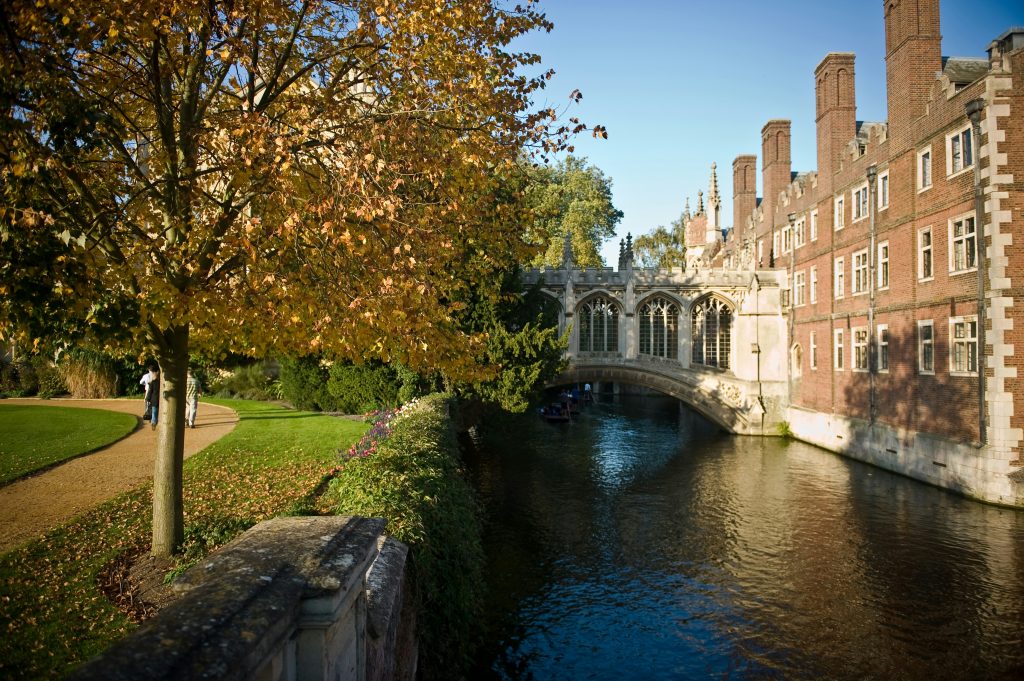
Cambridge is one of the more expensive property markets in the UK outside London. The combination of the University, a large technology and life sciences sector, and constrained housing supply means that prices sit well above the national and regional averages. ONS data shows the average house price in Cambridge was £482,000 for mortgage buyers in December 2025 (provisional), with first-time buyers paying around £407,000.
The right area for you depends on your budget, what you need from your surroundings, and how you plan to use the property. This guide covers the main residential areas in and around Cambridge, with a focus on what each offers buyers in 2026. It is written from a mortgage perspective: we have included typical price ranges and the kind of property you can expect, so you can start thinking about affordability alongside location.
Price ranges are indicative and based on publicly available sold price data and current listings. Prices vary by property type, condition, and street.
Quick Chooser: Which Area Suits You?
Best for London commuters: Petersfield and Romsey (near Cambridge station), Chesterton (near Cambridge North)
Best for families: Trumpington, Queen Edith’s, Girton, Histon and Impington
Best for academics and university staff: Newnham, Eddington, West Cambridge
Best for character and village life: Grantchester, Great Shelford
Best value entry point: Arbury and Kings Hedges, Cherry Hinton
Best for new builds: Trumpington, Eddington, Marleigh (East Cambridge)
Best for premium buyers: Newnham, Grantchester, central Cambridge
Cambridge at a Glance
Cambridge has a population of around 145,700 (Census 2021), with a substantially larger urban area when surrounding villages are included. The city’s economy is driven by the University of Cambridge, the Cambridge Biomedical Campus (one of Europe’s largest centres for biomedical research), and a technology and life sciences cluster that includes thousands of companies.
Cambridge station offers direct services to London King’s Cross, with the fastest journeys taking around 49 minutes. Cambridge North station, which opened in May 2017, serves the northern part of the city with services to London and Ely. Cambridge South station, expected to open in June 2026 (Network Rail), will serve the Biomedical Campus directly.
Housing supply is constrained relative to demand. The city is bounded by the Green Belt, which can limit the supply of new housing land and contribute to a price premium. New development is concentrated in a small number of locations: Trumpington, Eddington, Marleigh, and the northern fringe.
For more on what you could borrow based on your income and circumstances, see our guide at how much can your borrow.
Area-by-Area Guide
Newnham
Typical price range: £700,000 – £1,500,000+ | Best for: Academics, families, premium buyers
Newnham is one of Cambridge’s most sought-after residential areas, located to the west of the city centre between the river and Barton Road. It is known for its tree-lined streets, proximity to the Backs, and its association with the University. The housing stock includes large Victorian and Edwardian family homes, period cottages, and some modern infill. School catchments can influence demand in parts of Cambridge, and boundaries and inspection outcomes can change, so it is worth checking the most up-to-date information before you commit.
Prices in Newnham sit well above the Cambridge average. Larger detached homes on premium roads can exceed £1.5 million. It suits buyers who want a combination of character, green space, and proximity to the city centre and University.
Trumpington
Typical price range: £350,000 – £700,000 | Best for: Families, new build buyers, Biomedical Campus commuters
Trumpington lies to the south of the city and has seen significant development in recent years, with new housing estates expanding the area substantially. It offers a mix of the older Trumpington village, with its period homes and village green, and newer developments with modern family homes. School catchments are one of the drivers of demand for family homes in this part of Cambridge. Ofsted ratings and boundaries can change, so check the most up-to-date information before you commit. The area is close to the Cambridge Biomedical Campus. Cambridge South station, expected to open in June 2026, should improve rail access for the Biomedical Campus and the southern edge of the city.
Prices range widely depending on whether you are looking at older village property or newer estates. Trumpington works for families who want modern housing with good access to the city’s southern employment centres.
Chesterton
Typical price range: £350,000 – £650,000 | Best for: Commuters, families, mid-range budgets
Chesterton sits to the north of the river and is one of Cambridge’s more established residential areas. It has a mix of Victorian terraces, inter-war semis, and post-war housing. Cambridge North station is in this part of the city, providing direct services to London King’s Cross and Ely, which makes Chesterton popular with commuters. The area also benefits from proximity to the Cambridge Science Park and St Andrew’s Centre.
Chesterton offers a slightly more accessible price point than the central and western parts of Cambridge, while still providing good access to employment, transport, and schools. De Freville Avenue and surrounding streets command higher prices within the area.
Queen Edith’s
Typical price range: £450,000 – £800,000 | Best for: Families, Addenbrooke’s staff, schools
Queen Edith’s is a residential area to the south-east of the city centre, close to Addenbrooke’s Hospital and the Cambridge Biomedical Campus. It is popular with families, with demand often influenced by school catchments as well as proximity to the Biomedical Campus. The housing stock is predominantly 1930s and post-war semi-detached and detached homes.
The area benefits from proximity to both the Biomedical Campus and the Hills Road corridor. Prices reflect the combination of family housing, school catchments, and employment access.
Petersfield and Romsey
Typical price range: £400,000 – £750,000 | Best for: Commuters, young professionals, character seekers
Petersfield and Romsey sit between the city centre and Cambridge station, making them popular with London commuters. Mill Road, which runs through both areas, is known for its independent shops, restaurants, and a strong community identity. The housing stock is predominantly Victorian and Edwardian terraces, many of which are period properties with character.
Prices have risen steadily in these areas as demand from professionals and commuters has increased. The proximity to Cambridge station and the city centre is a significant draw, though parking and road access can be limited.
Cherry Hinton
Typical price range: £300,000 – £500,000 | Best for: Affordable family housing, first-time buyers
Cherry Hinton is on the eastern side of Cambridge, close to Cherry Hinton Hall and its surrounding parkland. It has a mix of post-war housing estates and some newer development. The area is one of the more affordable parts of Cambridge for family-sized homes, and it has local shops, schools, and reasonable access to the Biomedical Campus and Addenbrooke’s.
For buyers who want to be within the city boundary at a price below the Cambridge average, Cherry Hinton is one of the main options. It offers practical, family-friendly housing without the premium of areas closer to the city centre.
Arbury and Kings Hedges
Typical price range: £250,000 – £450,000 | Best for: First-time buyers, entry-level budgets
Arbury and Kings Hedges are in the northern part of Cambridge. These areas have a mix of post-war council-built housing and more modern development. They represent some of the most affordable property within the city boundary, with flats and smaller houses available at prices that sit below the Cambridge average.
The areas are well served by local amenities and have reasonable bus connections to the city centre. For first-time buyers who want to get onto the property ladder in Cambridge, Arbury and Kings Hedges offer one of the most accessible entry points.
Eddington
Typical price range: £350,000 – £600,000 | Best for: University staff, new build buyers, families
Eddington is a purpose-built development on the north-western edge of Cambridge, developed by the University of Cambridge. It includes a mix of private sale, University key worker, and affordable housing. The development has its own primary school, a community centre, a supermarket, and public spaces. It is designed around pedestrian and cycling access, with limited car use.
Eddington appeals to University staff and families who want modern, energy-efficient homes in a planned community. Prices reflect the new build specification, and some properties are subject to University restrictions on resale.
Girton
Typical price range: £400,000 – £700,000 | Best for: Families, village living with city access
Girton is a village immediately to the north-west of Cambridge, separated from the city by a narrow stretch of Green Belt. It has its own character, with a village centre, primary school, and a mix of older village homes and modern development. Girton College is nearby but the village has its own identity separate from the University.
Girton offers more space and a quieter setting than the city while remaining within cycling distance of the centre. Prices sit below the central Cambridge average but above the city’s more affordable northern areas.
Great Shelford
Typical price range: £500,000 – £900,000+ | Best for: Village living, families, southern commuters
Great Shelford is a village to the south of Cambridge with its own train station, providing services into Cambridge and towards London. It has a village centre with local shops, pubs, and a strong community identity. The housing stock is a mix of period village homes, inter-war properties, and modern development.
Cambridge South station is expected to open in June 2026. Some buyers factor this into plans for southern villages such as Great Shelford, although commuting patterns will vary by route and employer. Prices reflect the village premium and the quality of the housing stock.
Grantchester
Typical price range: £700,000 – £1,200,000+ | Best for: Premium buyers, character property, countryside
Grantchester is a village to the south-west of Cambridge, famous for its association with Rupert Brooke and the Orchard Tea Garden. It is a short walk or cycle from the city centre via the Grantchester Meadows, but feels distinctly rural. The village has a pub, a church, and a strong sense of place.
Property here commands a significant premium. Buyers tend to be looking for character homes — period cottages, farmhouses, and larger detached properties — and the prices reflect both the quality of the housing stock and the village’s location and reputation.
Marleigh (East Cambridge)
Typical price range: £300,000 – £550,000 | Best for: New build buyers, families, modern living
Marleigh is a new development on the eastern edge of Cambridge, being delivered by Hill as part of the wider Wing development area. It offers modern homes with a range of house types, from two-bedroom houses to larger family homes. The development includes green spaces, a primary school, and community facilities.
For buyers looking for new build homes with modern specifications and energy efficiency, Marleigh is one of the main options within the Cambridge boundary. Development is ongoing, so the range of available properties is expected to grow.
How to Choose the Right Area
The right area depends on your priorities. Here are some of the factors that tend to matter most to buyers in Cambridge.
Commuting. If you commute to London by train, Petersfield and Romsey are closest to Cambridge station. Chesterton is near Cambridge North. Great Shelford has its own station. Cambridge South, expected to open in June 2026, will serve Trumpington and the Biomedical Campus.
Schools. School catchment areas influence both where families choose to buy and, over time, local property prices. Queen Edith’s, Trumpington, Newnham, and Girton are popular with families, with demand often influenced by school catchments. Ofsted ratings and catchment boundaries can change, so it is worth checking current information before making a decision.
Budget. Arbury, Kings Hedges, and Cherry Hinton offer the lowest entry points within the city. Chesterton, Trumpington, and Eddington sit in the middle range. Newnham, Queen Edith’s, Grantchester, and Great Shelford are at the higher end.
Property type. If you want a period home, Newnham, Petersfield, Romsey, and Grantchester have the strongest supply. For modern estates and new builds, Trumpington, Eddington, and Marleigh are the main options. Cherry Hinton and Arbury have the widest range of more affordable family homes.
Lifestyle. Grantchester and Great Shelford offer village living close to the city. Newnham provides a leafy, academic character. Petersfield and Romsey have the strongest independent high street. Eddington is designed for car-free living.
What This Means for Your Mortgage
The area you choose affects your mortgage in several practical ways.
Your deposit requirement depends on the purchase price. A 10% deposit on a £350,000 property in Cherry Hinton is £35,000. On a £600,000 home in Queen Edith’s, it is £60,000. A larger deposit relative to the purchase price (a lower loan-to-value ratio) can give you access to a wider range of products and potentially more competitive rates.
Stamp duty also varies by price. First-time buyers pay no stamp duty on properties up to £300,000, but in Cambridge most first-time buyer purchases exceed this level, which means the majority of first-time buyers will pay some SDLT. Home movers pay stamp duty above £125,000. For worked examples at Cambridge price points, see our stamp duty guide.
Frequently Asked Questions
What is the best area to buy in Cambridge in 2026?
It depends on your budget and priorities. Newnham is one of the most sought-after areas for its character and proximity to the University. Trumpington and Chesterton offer a strong supply of family homes with transport links. Cherry Hinton and Arbury provide the most accessible price points within the city.
Where is the cheapest area to buy in Cambridge?
Arbury and Kings Hedges tend to have the lowest average prices within the city boundary. Flats in these areas can be found from around £250,000. For family-sized homes at lower price points, Cherry Hinton offers some of the more affordable options.
Is Cambridge a good place to buy property in 2026?
Cambridge’s property market is supported by strong employment, the University, constrained supply, and good transport links. Whether it is the right place for you depends on your circumstances and budget, but the city’s fundamentals remain strong compared to many regional markets.
Which areas in Cambridge are best for families?
Trumpington, Queen Edith’s, Girton, and Histon and Impington are popular with families, with demand often influenced by school catchments and access to green space. Newnham is also popular with families who can afford the premium.
Which areas in Cambridge are best for first-time buyers?
Cherry Hinton, Arbury, and Kings Hedges offer the most accessible price points. Marleigh and parts of Trumpington may also suit first-time buyers, particularly if new build incentives or Shared Ownership are available. Many first-time buyer purchases in Cambridge will attract some stamp duty, as the average first-time buyer price exceeds the £300,000 nil-rate threshold.
What are typical property price ranges in Cambridge by area?
Prices vary significantly by area. As a broad guide based on recent sold price data and current listings, indicative entry points often start from around: Arbury and Kings Hedges £250,000; Cherry Hinton £300,000; Chesterton and Trumpington £350,000; Petersfield and Romsey £400,000; Queen Edith’s £450,000; Girton £400,000; Great Shelford £500,000; Newnham £700,000; Grantchester £700,000. All figures are indicative and vary by property type, condition, and street.
Which Cambridge areas are best for commuting to London?
For train commuters, Petersfield and Romsey are closest to Cambridge station, which offers direct services to London King’s Cross, with the fastest journeys taking around 49 minutes. Chesterton is near Cambridge North station. Great Shelford has its own station with services into Cambridge. Cambridge South station, expected to open in June 2026, will add a third option on the southern edge of the city.
Next Steps
Once you have an idea of the area and price range that suits you, the next step is to understand what you can borrow and what the total cost of buying will look like. A mortgage broker can help you compare products across the whole market, factoring in your deposit, income, and any specific circumstances.
Visit our Cambridge office to book a consultation with our Cambridge team or call 01223 655 579.